RA is a young refugee (17 years of age) who has been living in the United States since 2021. Like many youth in his community, he often spent time at a local park where young people gather to play soccer and socialize. When our youth program first began outreach at the park, many of the young people were hesitant to engage with us. Some stood on the sidelines vaping or smoking, unsure if they wanted to participate.
During one of our early visits, I noticed RA standing with a group of friends who were smoking. While his friends were not interested in joining, RA seemed curious about the soccer game we had started with other youth. I invited him to come play with us. Although hesitant at first, he eventually stepped onto the field.
Over the following weeks, our team continued hosting soccer sessions while integrating conversations about mental health, substance abuse prevention, and healthy coping strategies. Soccer quickly became more than just a game—it became a safe space where youth could build trust, community, and confidence.
One day after a session, RA approached me and shared something important. He said he wanted to quit smoking. He explained that he had mainly started because of peer pressure from friends who regularly smoked around him. At that moment, RA made a courageous decision to take a different path.
I connected him with resources available through our organization, License to Freedom, including counseling support. RA specifically asked to speak with someone outside of his own cultural background because he felt more comfortable discussing personal struggles in that setting. We were able to respect his request and provide appropriate support options.
As the program continued, we formed a youth soccer team made up largely of refugee youth from the park. The team joined a local league and achieved an incredible milestone—reaching the finals and finishing in second place two seasons in a row. For many of the players, including RA, this experience created a strong sense of belonging, discipline, and motivation.
After one of our games, RA shared another encouraging update. He told me he had seriously committed to quitting smoking and was working hard to stay consistent. Even more inspiring, he said he had started encouraging some of his friends to reconsider their own smoking habits. Instead of being influenced by negative peer pressure, RA was beginning to influence others in a positive way.
Today, RA is one of the most consistent and engaged participants in the program. When our soccer season ended and we launched a youth-led art project—painting a community bench that represents mindfulness and our message to “Sit Down and Take a Breath”—RA immediately wanted to be involved. He attends the workshops regularly and has expressed excitement about leaving his own message on the bench so that others who see it may feel inspired by his journey.
Through our conversations, RA has also opened up about the challenges he has faced as a refugee adapting to life in the United States. He shared experiences of stress at home, struggles at school, and moments where he felt discrimination or isolation. Without a strong support system early on, he turned to substances as a way to cope with those feelings.
Now, with a supportive community around him, RA is developing healthier ways to deal with stress and build confidence in his future. He has also spoken about wanting to be a positive role model for his younger brother, NA, ensuring that he has the guidance and support that RA himself did not always have when he first arrived.
RA has even expressed interest in becoming more involved in helping the program and supporting other youth in the future. His growth—from a hesitant observer on the sidelines to an engaged participant and emerging leader—reflects the power of community, mentorship, and opportunity.
For our team, RA’s journey is a powerful reminder of why this work matters. When youth are given a safe space, supportive mentors, and meaningful activities, they can make choices that positively shape their futures and influence those around them.
By: Dr. Tania Hormozi, PsyD, LMFT Clinical Director of Family Therapy Services
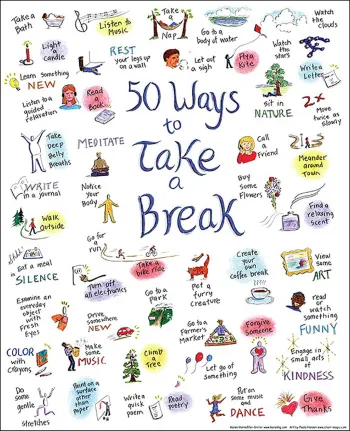
It is important to share that mothers do a lot for everyone. They are the primary caregiver for a lot of their children, elderly parents, and even their spouses in most cases. Mothers tend to put everyone else over themselves. Especially, middle eastern mothers. Women and girls are taught at a young age to put others first before themselves. They are taught to be maternal even if they may or may not become mothers as adults. Middle Eastern culture is all about warmth, welcoming, food, culture, and family. Who brings everyone together? Typically, the matriarch of the house is doing the cooking, cleaning, and making sure everyone is taken care of and fed. When can mothers take care of themselves? They tend to forget about themselves and put themselves on the backburner. They don’t practice “wearing the oxygen mask first before helping others” as we learn every time we hear the emergency protocols on an airplane. Middle Eastern mothers haven’t been taught to also take a break and take time out for themselves, aside from maybe sleeping and daily hygiene practices. Here are some important coping skills and strategies, woman and mothers can take, when they want to take time to themselves. Research suggests just 10-15 minutes of self-care a day will help reduce symptoms, distract yourself from negative thoughts and feelings, and put you in a better mood. Self-Care involves taking care of your physical, mental, emotional and spiritual aspects of life to stay healthy. Types of Self Care can be minimal: taking a shower, consuming your favorite food or drink, organizing or cleaning your space with intention, reading or watching a movie. Some self-care activities can take 10-15 minutes also, such as going outside in the sun, going for a short walk, calling a friend or family member, or listening to music. Sometimes mothers would want to involve their children and family members also, and that can be possible, as long as the activity is still something the mother wants to do. Another way to take a break for self-care is engaging in Mindfulness. Mindfulness is a way to practice being fully present, being aware of your thoughts, feelings, and surroundings. You can take a moment to take some deep breaths, you can take a moment and look for certain colors that are around you, sitting on the ground at home or on the grass, taking a moment to do some coloring, or writing down your thoughts and ripping up the paper. There are a lot of different ways to take care of yourself that won’t take too long. These coping skills can help not only distract you in the moment from your negative thoughts, but it can also make you feel good and enjoy different activities.
Remember, all you need is a few activities, 2-3 times a week, for 10-15 minutes each day. Practice it for 2 weeks to ensure that it is helping and you can implement it into your schedule.
One moment that really stayed with me this month was helping translate for a family who had just arrived and didn’t speak much English. When they first came in, you could tell they were nervous and overwhelmed. There were forms, questions, and information they didn’t fully understand. I could see the confusion on their faces and how unsure they felt about everything.
In that moment, I saw how much language can affect someone’s confidence. When people can’t fully understand what’s happening around them, it can make them feel lost. As I helped translate and explain things step by step, I could see their expressions begin to change. What started as confusion slowly turned into relief. I could hear it in their voices and see it in their body language as things started to make more sense.
This moment mattered to me because I’ve been in that position before. I remember what it feels like to arrive somewhere new and not fully understand the language or how things work. When I first arrived in the United States, everything felt unfamiliar — the people, the language, and the systems. Even simple tasks could feel difficult. Although I was with my family, not knowing the language sometimes made me feel isolated.
That experience helped me understand how important it is to have someone guide you during moments like this. Sometimes just having someone there to help explain things can make a big difference.
This moment reminded me how important community support is. Even small acts of kindness can make someone feel less alone. I’m grateful to be part of work that helps people feel welcomed, supported, and understood in our community.