By: Dr. Tania Hormozi, PsyD, LMFT Clinical Director of Family Therapy Services
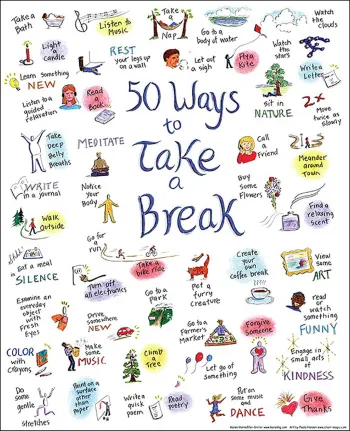
It is important to share that mothers do a lot for everyone. They are the primary caregiver for a lot of their children, elderly parents, and even their spouses in most cases. Mothers tend to put everyone else over themselves. Especially, middle eastern mothers. Women and girls are taught at a young age to put others first before themselves. They are taught to be maternal even if they may or may not become mothers as adults. Middle Eastern culture is all about warmth, welcoming, food, culture, and family. Who brings everyone together? Typically, the matriarch of the house is doing the cooking, cleaning, and making sure everyone is taken care of and fed. When can mothers take care of themselves? They tend to forget about themselves and put themselves on the backburner. They don’t practice “wearing the oxygen mask first before helping others” as we learn every time we hear the emergency protocols on an airplane. Middle Eastern mothers haven’t been taught to also take a break and take time out for themselves, aside from maybe sleeping and daily hygiene practices. Here are some important coping skills and strategies, woman and mothers can take, when they want to take time to themselves. Research suggests just 10-15 minutes of self-care a day will help reduce symptoms, distract yourself from negative thoughts and feelings, and put you in a better mood. Self-Care involves taking care of your physical, mental, emotional and spiritual aspects of life to stay healthy. Types of Self Care can be minimal: taking a shower, consuming your favorite food or drink, organizing or cleaning your space with intention, reading or watching a movie. Some self-care activities can take 10-15 minutes also, such as going outside in the sun, going for a short walk, calling a friend or family member, or listening to music. Sometimes mothers would want to involve their children and family members also, and that can be possible, as long as the activity is still something the mother wants to do. Another way to take a break for self-care is engaging in Mindfulness. Mindfulness is a way to practice being fully present, being aware of your thoughts, feelings, and surroundings. You can take a moment to take some deep breaths, you can take a moment and look for certain colors that are around you, sitting on the ground at home or on the grass, taking a moment to do some coloring, or writing down your thoughts and ripping up the paper. There are a lot of different ways to take care of yourself that won’t take too long. These coping skills can help not only distract you in the moment from your negative thoughts, but it can also make you feel good and enjoy different activities.
Remember, all you need is a few activities, 2-3 times a week, for 10-15 minutes each day. Practice it for 2 weeks to ensure that it is helping and you can implement it into your schedule.
One moment that really stayed with me this month was helping translate for a family who had just arrived and didn’t speak much English. When they first came in, you could tell they were nervous and overwhelmed. There were forms, questions, and information they didn’t fully understand. I could see the confusion on their faces and how unsure they felt about everything.
In that moment, I saw how much language can affect someone’s confidence. When people can’t fully understand what’s happening around them, it can make them feel lost. As I helped translate and explain things step by step, I could see their expressions begin to change. What started as confusion slowly turned into relief. I could hear it in their voices and see it in their body language as things started to make more sense.
This moment mattered to me because I’ve been in that position before. I remember what it feels like to arrive somewhere new and not fully understand the language or how things work. When I first arrived in the United States, everything felt unfamiliar — the people, the language, and the systems. Even simple tasks could feel difficult. Although I was with my family, not knowing the language sometimes made me feel isolated.
That experience helped me understand how important it is to have someone guide you during moments like this. Sometimes just having someone there to help explain things can make a big difference.
This moment reminded me how important community support is. Even small acts of kindness can make someone feel less alone. I’m grateful to be part of work that helps people feel welcomed, supported, and understood in our community.
Clinical Supervisor at License to Freedom’s Family Therapy Services
Working with families who are experiencing domestic violence can be difficult, as we don’t often get a sense of resolution or completion. Often, our relationships end by circumstance, whether that’s a client moving, the situation de-escalating “enough,” or a court mandate coming to a close. Sometimes I dream of being a broommaker, someone who sits throughout the day and weaves straws together to create a finished object for people to use. Therapy is far less concrete than that, and I don’t get to go home knowing that I finished making five brooms today.
The joy, however, comes from those occasional moments when we hear back from a client or family we worked with and learn that things have improved for them. I was lucky enough to have that opportunity recently.
I met this person shortly after she arrived in the U.S., having recently left a very violent relationship and carrying significant questions about the course of her life. In our work together, we explored the effects of that relationship on her life, the impact of her family history on her present day, and the ways she hoped to engender change, not just in her own life, but in the lives of her family and broader community. Both during and after the time we met, she got a job, learned how to drive and received her permit, navigated challenging roommate issues with grace and care, purchased her own car, and enrolled in college. She identified family members who were supportive and stayed in contact with them, while maintaining respectful relationships with those whose voices at times carried judgment.
Moments like these provide the necessary fuel and energy to continue the work with others who are at different places in their journey. They also are important moments to hold with humility, and resist the urge to claim their victories as our own. But, they can still be celebrated – both with joy and sometimes with baklava.
This month, what stayed with me most was not a meeting or a milestone, but a letter.
I received a message from a member I had worked with closely, and as I read it, I had to pause. It reminded me why this work matters, especially on the days when it feels heavy or routine. The member entered the program during one of the most vulnerable moments of her life. She was navigating housing instability, caring for her children, recovering from trauma, and learning how to manage a new disability. Anyone in that position would feel overwhelmed.
What stood out to me was not only her gratitude, but what she noticed. She shared that she felt safe asking questions and reassured instead of rushed. She felt respected, not judged, during a time when asking for help can feel uncomfortable. Reading her words reminded me how meaningful simple actions can be, such as listening, showing patience, and showing up consistently.
In this work, we often focus on outcomes like housing stability, completed care plans, and successful discharges. Those outcomes matter. But just as important is how people feel throughout the process. This experience reminded me that being present, validating concerns, and treating someone with dignity can have a lasting impact when someone is trying to rebuild their life.
This moment reaffirmed something I continue to learn in this role. People may not remember every service they received, but they will always remember how they were treated. That is something I will carry with me into every interaction moving forward.
Letter from client:
To Whom It May Concern,
I am writing to express my deep gratitude for Ziad Eskharia, my housing navigator at
Licensed Freedom. From the beginning to now, Ziad has been there for me every step of the
way.
I came to Licensed Freedom in a very vulnerable place. I am a single mother of three
children, fleeing domestic violence, and dealing with a new seizure disability. Ziad helped
me understand the program and guided me through it with patience and care. He never
made me feel bad about needing services. He was there to truly help and support me.
Ziad was understanding and empathic and answered all my questions. I remember
whenever I asked him something, he would say “That’s a really good question” – he never
made me feel like I was bothering him. Whenever I thanked him, he would respond with
“That’s the least I can do” in such a genuine way. He really cared about my case and my
situation.
Ziad’s support made a real difference during one of the most challenging times in my life. His kindness and dedication to helping families like mine is exactly what people need when they’re trying to rebuild their lives.
Thank you for having someone like Ziad on your team.